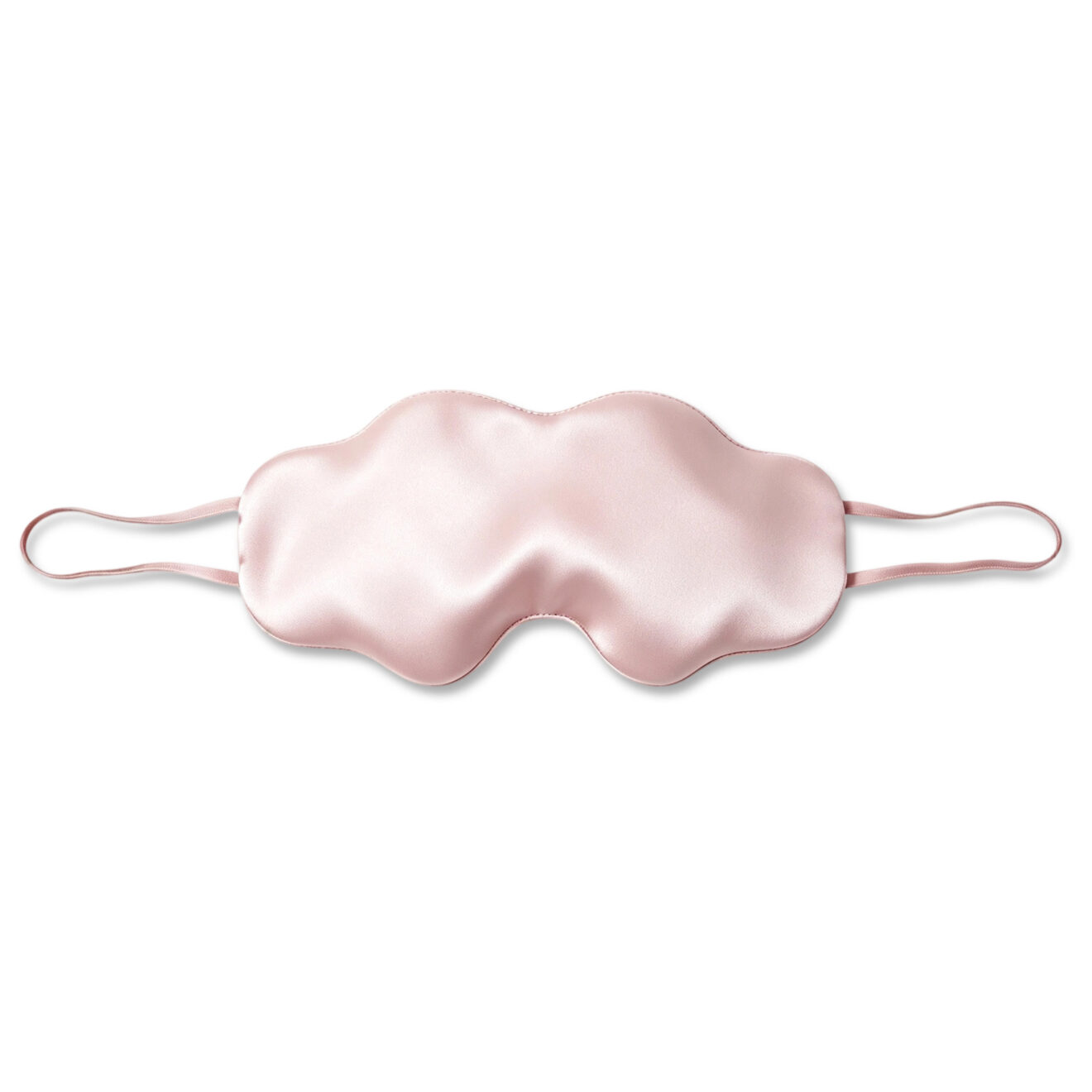
Why Over‑the‑Top Bedtime Routines Fall Apart
The core idea behind Morning Shed makes sense: let beauty treatments do their job while you sleep. But most of those adhesive patches only deliver mild results over a few hours. Worse, their stiff edges can press into skin and leave unwanted indent marks.
And there’s a very practical catch: more steps mean harder to stick with. Most people drop a 30‑minute nightly ritual within two weeks. Skincare and hair gains live or die by consistency — showing up night after night.
Think about it: those eye patches and facial stickers only stay on for hours. Your pillow sits against your skin and hair for eight full hours, every single night. Still, it rarely lands on people’s beauty checklists.
Healthline breaks down real silk’s biggest skin‑hair wins in its dedicated analysis: it cuts overnight friction, and stops bedding from pulling moisture away from your skin. Best of all? No extra work on your end.
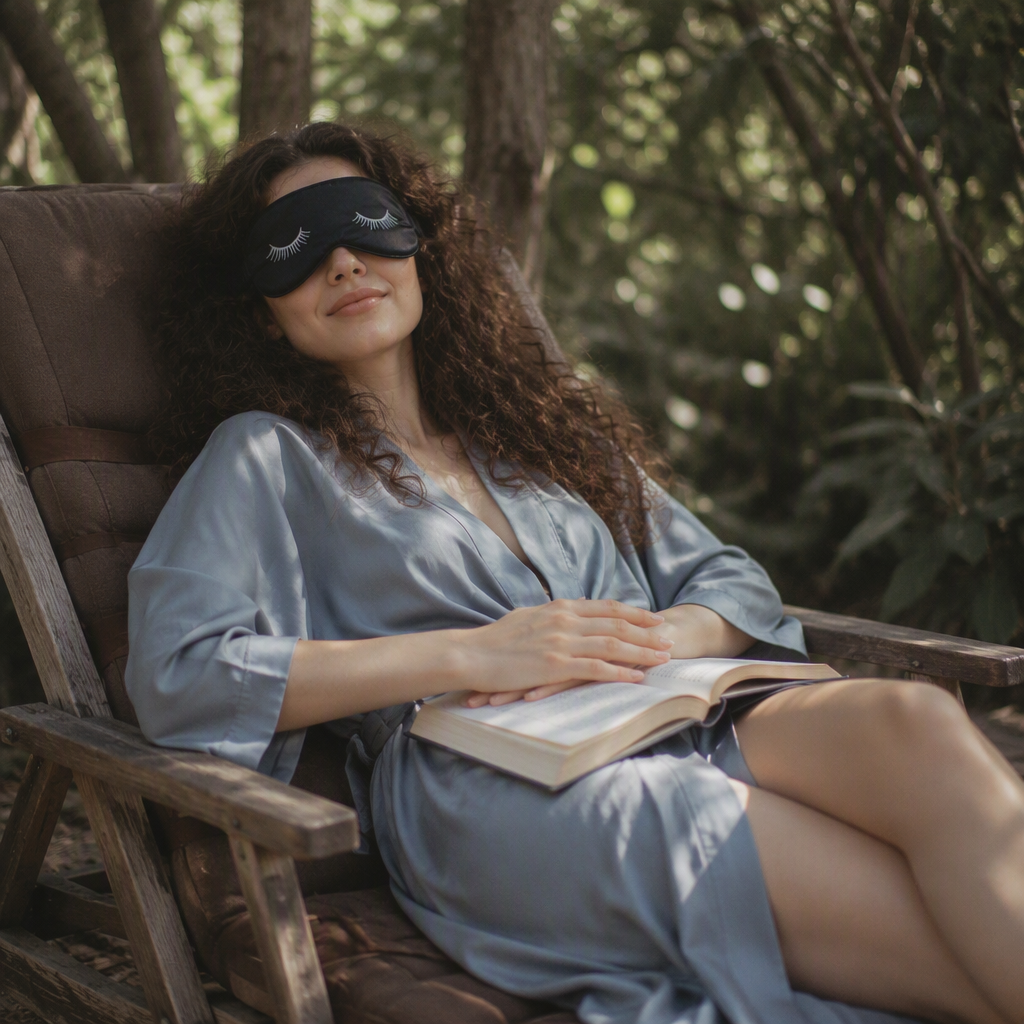
Silk Pillowcases: Your Zero‑Effort Overnight Beauty Win
That’s exactly why silk pillowcases and bonnets show up in nearly every Morning Shed clip. Creators refuse to cut these core items out of their night‑time setup:
- Less friction for your hair: Silk has a much lower friction coefficient than cotton. Hair glides across the pillow rather than snagging and snapping off. Guidance from the American Academy of Dermatology (AAD) for hair care notes silk or satin pillowcases and bonnets reduce nighttime friction to fight frizz and breakage. Curly, colour‑treated, and heat‑damaged hair see some of the biggest improvements.
- Fewer sleep creases: Temporary pillow indentations from side sleeping build up over time and contribute to dynamic wrinkles. Silk eases that mechanical pressure to reduce sleep marks.
- Lock in your skin moisture: Cotton soaks up your night‑time serums plus your skin’s natural moisture. Silk absorbs barely anything, so your skincare stays on your face — not soaked into your pillow.
- Built‑in temperature control: As a natural protein fibre, silk breathes really well. It keeps you cool on warm nights and holds gentle warmth when temperatures drop. It helps your body stay at its ideal sleeping temperature so you wake up less through the night.
Here’s the bottom line: eye masks are a fun short‑term add‑on. A silk pillowcase works for your skin and hair while you sleep. One is a luxury extra; the other is a beauty foundation.
Minimalist Morning Shed: Only Two Steps
- Grab a 22‑momme mulberry‑silk pillowcase. (internal link placeholder)
Momme measures silk density. Healthline’s silk‑pillowcase buying guide names 22‑momme the sweet spot. Anything thinner wears out fast, while heavier weights bring no real extra benefit. 6A long‑filament mulberry silk marks the threshold for top‑tier quality.
- Put on a contoured light‑blocking silk eye mask. (internal link placeholder)
Its 3D design hovers away from your eyes. No pressing on eyeballs, no smudged lashes. Full darkness supports melatonin production, and sleep research confirms dark surroundings are critical for deep, restorative rest. Good sleep really is your best beauty treatment.
That’s all there is. Building a great sleep‑beauty routine isn’t about stacking endless steps. Pick options that work all night long — ones you can actually keep doing every evening.