Why Curly Hair Suffers Most on Cotton
Every strand of curly hair has a flatter, more spiral-shaped cuticle layer than straight hair. That structure makes it:
- Harder to moisturize — natural scalp oils travel down a spiral slowly, so mid-lengths and ends stay dry
- More fragile — each bend in the strand is a weak point that snaps under tension
- Frizz-prone — a disturbed cuticle lifts, letting humidity in and definition out
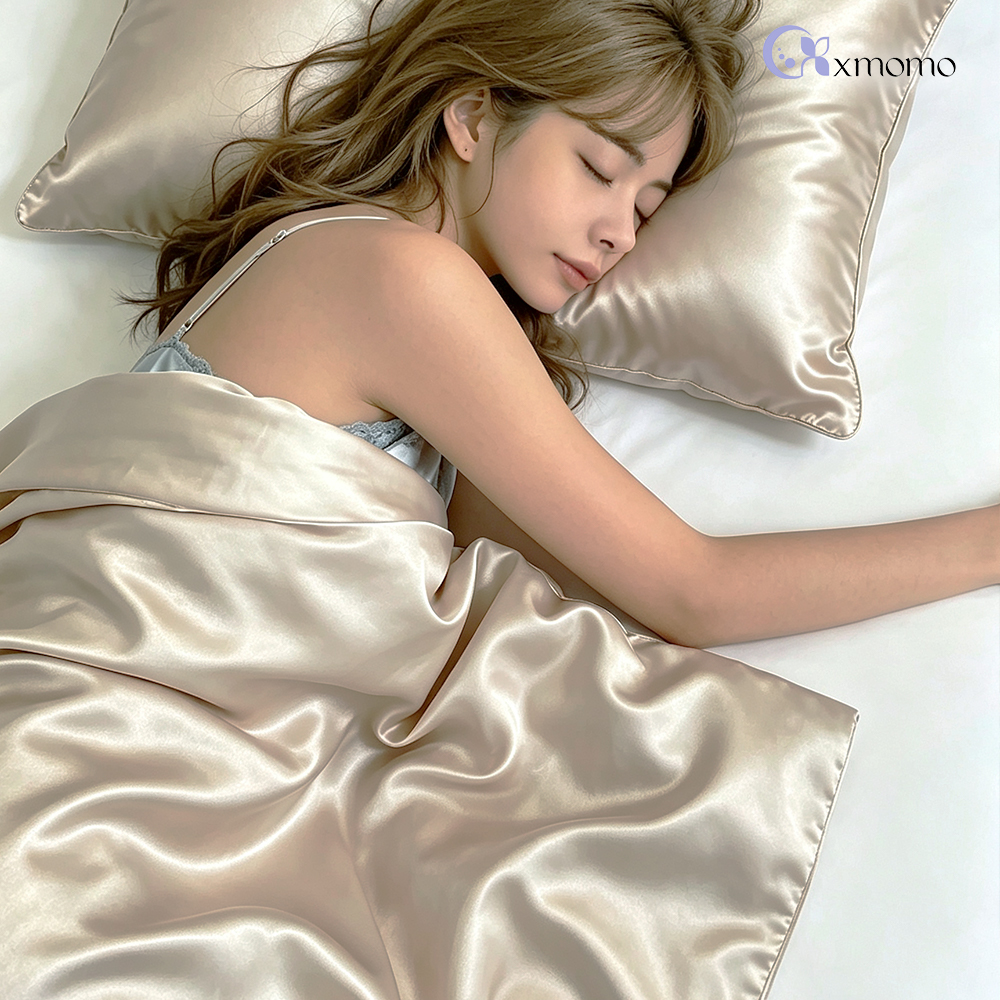
Now picture 8 hours of that hair pressed against rough, absorbent cotton: the fabric wicks away the moisture you just sealed in with your leave-in, and every turn of your head snags and snaps strands. Cotton is essentially an overnight frizz machine for textured hair.
What Changes on Silk (4 Measurable Differences)
| Overnight effect | Cotton pillowcase | Silk pillowcase |
|---|---|---|
| Friction on strands | High — cuticle gets roughed up | Very low — hair glides |
| Moisture retention | Cotton absorbs water + products | Low absorbency keeps moisture in hair |
| Morning detangling | Tangles, knots, breakage | Defined curls, minimal detangling |
| Blowout/style longevity | Flattened and frizzed by morning | Styles last days longer |
From the Curly Community: What Real Users Report
Ask any curly-hair forum and the same pattern appears: less frizz within the first week, fewer broken hairs on the pillowcase itself, and second- and third-day curls that actually survive. Members of curly communities on Reddit’s r/curlyhair consistently rank silk pillowcases (and silk bonnets) among the highest-impact, lowest-effort changes for definition and length retention. The consensus timeline: hair benefits show up much faster than skin benefits.

Silk, Satin, or a Bonnet — Which One for You?
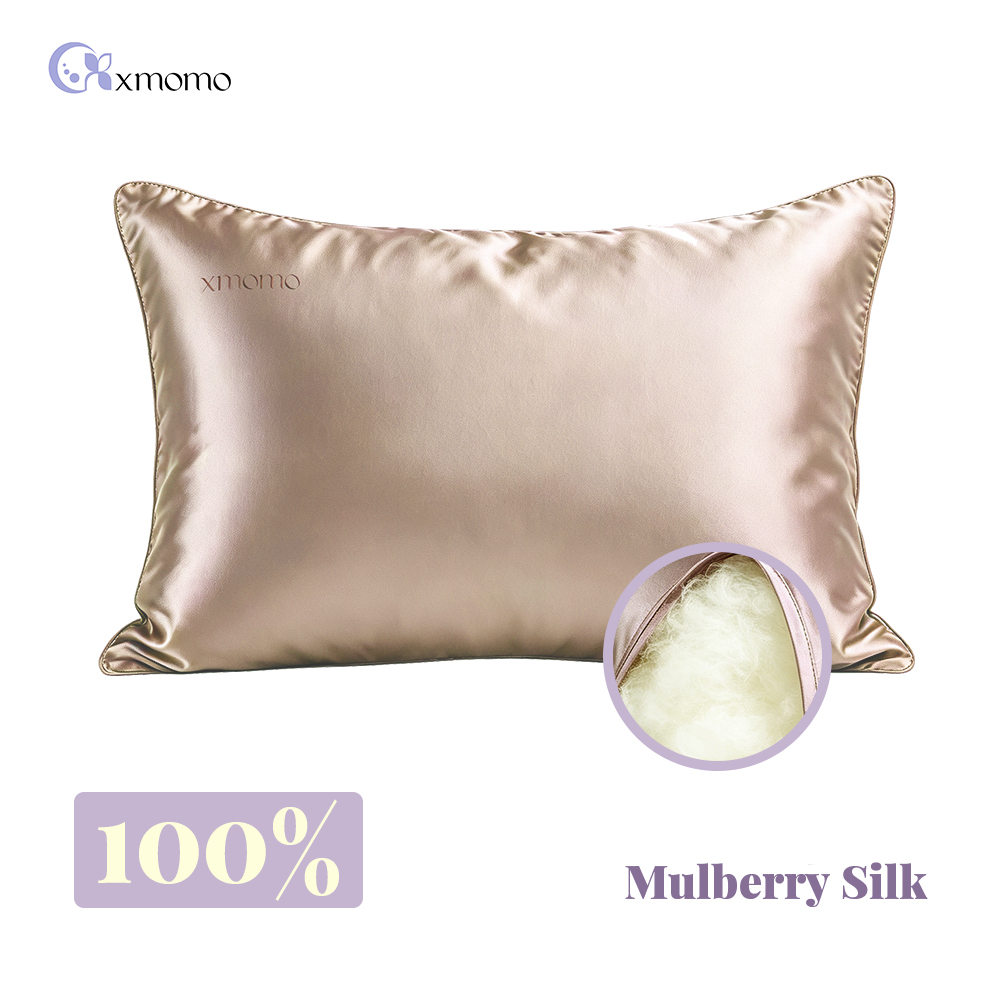
- Silk pillowcase — best all-round upgrade; works for every sleep position, zero nightly routine
- Satin pillowcase — cheaper, smoother than cotton, but polyester satin traps more heat and static. Full comparison in Silk vs. Satin: Which Is Better for Hair and Skin?
- Silk bonnet + silk case — maximum protection for wash-and-go styles, braids, and locs
Choosing Silk for Textured Hair
Because coily and kinky hair puts more mechanical stress on fabric, weave density matters even more:
- 22+ momme minimum — lighter silk pills and roughens faster under textured hair. Read our momme weight guide before buying anywhere.
- 6A grade mulberry silk — the longest, most uniform fibers, which means the smoothest surface
- Envelop closure — nothing metal near your edges
- Wash correctly — product buildup (leave-ins, oils) roughens silk over time; our silk washing guide keeps the surface slick for years