What Are Sleep Wrinkles, Exactly?
When you sleep on your side or stomach, your cheek compresses against the pillow and the skin folds along the same lines — night after night, for decades. Young skin snaps back by morning. As collagen declines with age, those nightly folds gradually set. Dermatologists distinguish these positional wrinkles from expression lines (crow’s feet, frown lines), which come from muscle movement. Sleep wrinkles typically run vertically across the cheeks and chin — the exact zones in contact with your pillow. The Sleep Foundation notes that sleep position is an under-appreciated factor in skin appearance, alongside sleep quality itself.
Where Silk Actually Helps
- Less friction = less nightly folding. Cotton drags the skin as you move; silk lets it glide. Dermatologists compare the effect to pressing skin against glass versus pressing it against a towel.
- More moisture stays in your skin. Cotton draws water and oils from skin overnight — one reason you wake with crepey, dehydrated-looking cheeks. Silk’s low absorbency helps skin hold hydration, and hydrated skin shows fewer fine lines.
- Your night cream stays on your face. Retinol and peptide creams work by sitting on skin for hours. On cotton, a share soaks into the pillow instead. On silk, more stays where it belongs.
Where the Hype Goes Too Far
| Claim | Verdict |
|---|---|
| “Silk erases wrinkles” | ❌ No fabric reverses existing lines |
| “Silk’s amino acids nourish skin” | ❌ Proteins don’t transfer through fabric contact |
| “Silk prevents sleep creases” | ✅ Reduced friction genuinely means fewer morning creases |
| “Silk keeps skin hydrated overnight” | ✅ Low absorbency is real and measurable |
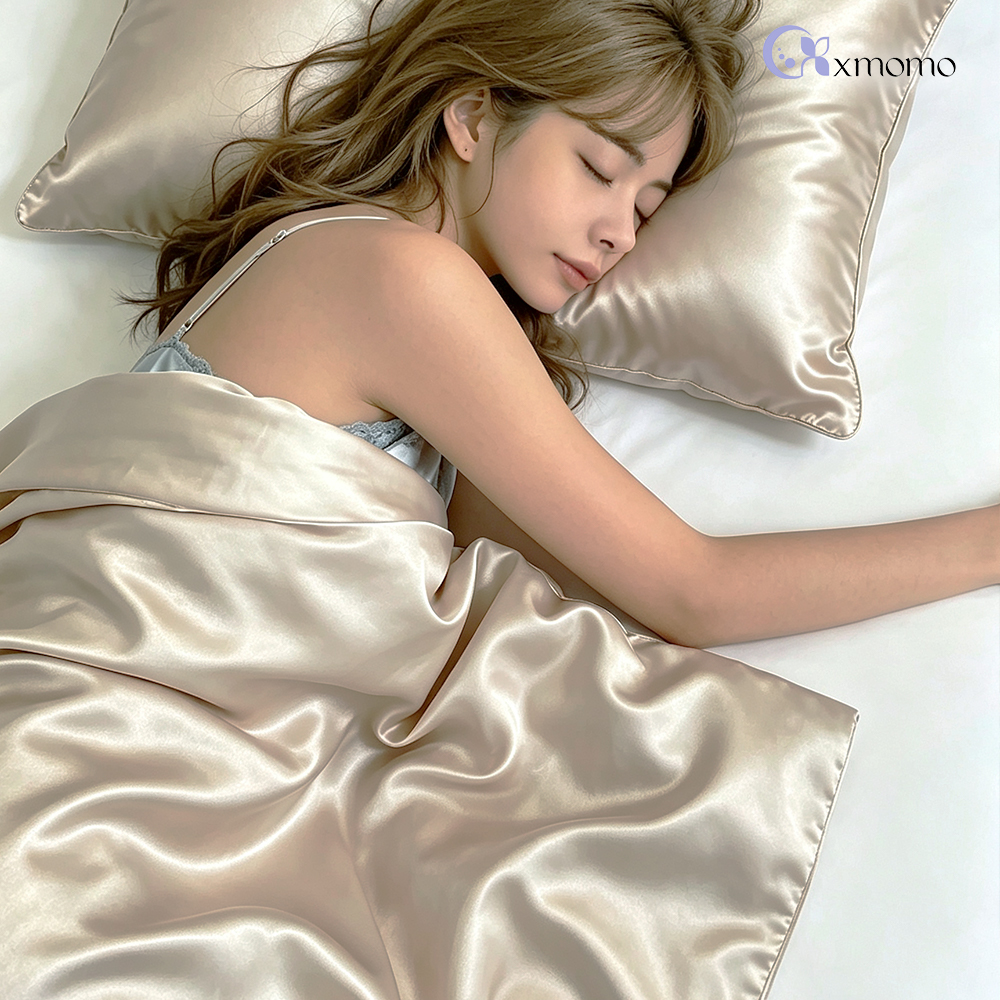
The Realistic Anti-Wrinkle Night Routine
If preventing lines is your goal, stack the methods that actually work — silk plays a supporting role:
- Sunscreen every morning — the single most evidence-backed anti-aging step there is
- A retinoid at night — the gold standard for collagen stimulation (silk helps it stay on your skin)
- A silk pillowcase — minimizes the nightly mechanical stress of side sleeping
- Back-sleeping when you can — removes pillow contact entirely
Curious what else silk does overnight for skin and hair? See our full breakdown of silk pillowcase benefits.
Not All Silk Is Equally Smooth
Friction reduction depends on fiber quality and weave density. Lightweight 16–19 momme silk feels nice but thins and roughens after months of washing. 22+ momme, 6A-grade mulberry silk keeps its smooth hand-feel for years — our complete momme guide shows you exactly how to read the numbers. And if you’re comparing options across price points, our 2026 silk pillowcase buyer’s guide lists every spec that matters.